Why Mildew Keeps Coming Back in Riegelsville Homes (And How to Stop It)
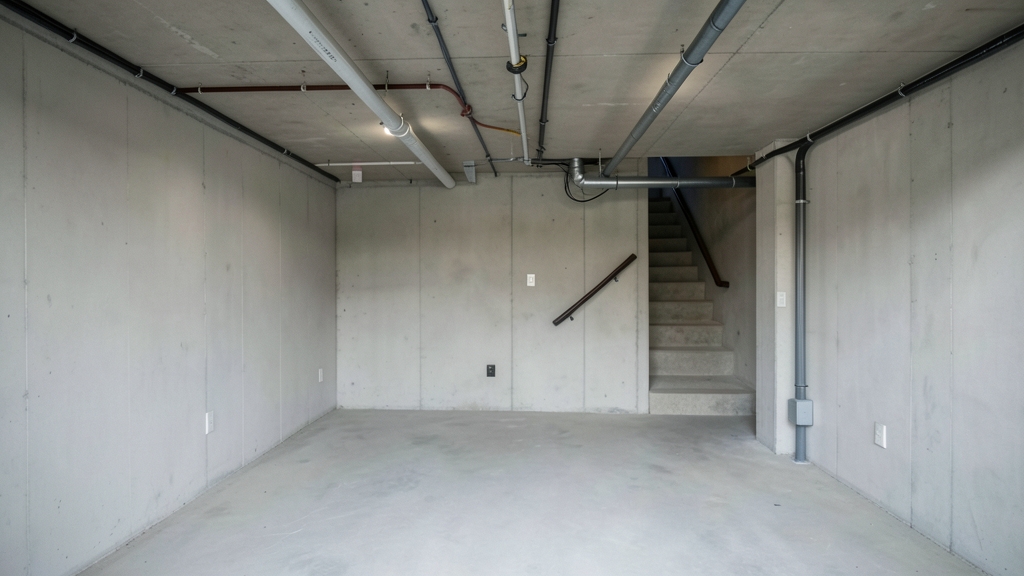
Mildew isn’t just an eyesore—it’s a sign of deeper moisture issues that Riegelsville’s humid summers and damp basements love to exploit. We’ve seen the same spots in Durham and Springtown homes grow back within weeks because the root cause was never addressed. Here’s how to break the cycle for good.
Mildew vs. Mold: What Riegelsville Homeowners Need to Know
Mildew is a surface-level fungus, usually white or gray, that thrives on moisture and organic materials like wood or drywall. It’s mold’s less aggressive cousin but still signals excess humidity.
True mold penetrates deeper, often appearing black or green, and can compromise structural integrity. Both require professional mold inspection to identify the species and extent.
| Feature | Mildew | Mold |
|---|---|---|
| Color | White, gray, or yellow | Black, green, blue, or red |
| Texture | Powdery or fluffy | Slimy or fuzzy |
| Depth | Surface-level | Penetrates materials |
| Health Risk | Mild allergens | Can produce mycotoxins |
| Removal | Scrubbing with bleach (non-porous) | Requires remediation |
Why Mildew Returns: The Hidden Culprits in Your Home
Riegelsville’s proximity to the Delaware River means basements and crawl spaces in Kintnersville or Easton often hit 60%+ humidity—ideal for spores.
Poor ventilation traps moist air, especially in attics or bathrooms. Even small leaks behind walls feed recurring growth that DIY fixes miss.
Porous materials like drywall or carpet absorb spores. If not fully dried or removed, mildew reappears within days.
A musty odor means active spores, even if you can’t see them. This often indicates hidden mold in HVAC ducts or behind walls.
The Role of Water Damage in Recurring Mildew
Undetected water damage—from roof leaks, plumbing issues, or poor drainage—creates a perfect breeding ground. We often find mildew in attics after ice dams or basements after heavy rains.
In older Riegelsville homes, degraded caulking or cracked foundations let moisture seep in. Without water damage restoration, mildew will keep returning.
Even condensation on windows or pipes adds enough moisture to sustain growth. Dehumidifiers help, but fixing the source is critical.
How Professional Mold Inspection Uncovers the Root Cause
We use thermal imaging and moisture meters to detect hidden water sources behind walls or under flooring. Air quality testing identifies spore counts and types.
A thorough mold inspection includes checking HVAC systems, which can spread spores throughout your home if contaminated.
In commercial spaces near Easton, we often find mildew in ductwork or drop ceilings—areas homeowners overlook.
Signs You Need a Mold Inspection
- Visible mildew or mold growth
- Persistent musty odors
- Unexplained allergies or respiratory issues
- Water stains or discoloration on walls/ceilings
- Recent flooding or water damage
Mold Remediation: More Than Just Cleaning
True remediation starts with containment to prevent spore spread. We use HEPA air scrubbers and negative air pressure in affected areas.
Non-porous surfaces can be cleaned, but porous materials like insulation or drywall often require removal. This isn’t a weekend DIY project.
After removal, we apply antimicrobial treatments to inhibit regrowth. But without moisture control, the problem will return.
Never use a regular vacuum on moldy areas—it can aerosolize spores. HEPA vacuums are a must for cleanup.
Moisture Control: The Key to Long-Term Prevention
Dehumidifiers are essential in basements and crawl spaces, but they’re not enough. Vapor barriers and proper grading around your home’s foundation stop moisture at the source.
In attics, ensure proper ventilation and insulation to prevent condensation. Ridge vents and soffit vents work together to keep air moving.
Fix leaks promptly, and consider a sump pump if your Riegelsville home is prone to flooding. Small steps prevent big problems.
When to Call a Professional for Mold Remediation
If mildew covers more than 10 square feet, or if it’s in your HVAC system, call us. DIY fixes often miss hidden growth, leading to recurrence.
Health symptoms like headaches, itchy eyes, or respiratory issues may indicate a serious issue. Black mold (Stachybotrys) requires professional handling.
For commercial properties or large homes in Durham or Springtown, our team uses industrial-grade equipment to ensure thorough remediation.
How to Prevent Mildew from Returning After Remediation
Stopping mildew for good requires addressing moisture, ventilation, and maintenance.
- 1Control Humidity
Use dehumidifiers in basements, crawl spaces, and bathrooms. Aim for 30-50% humidity year-round.
- 2Improve Ventilation
Install exhaust fans in kitchens and bathrooms. Open windows when weather permits to circulate air.
- 3Inspect for Leaks
Check roofs, pipes, and foundations for leaks. Repair immediately to prevent moisture buildup.
- 4Use Mold-Resistant Materials
In high-risk areas like basements or attics, opt for mold-resistant drywall, paint, or insulation.
- 5Schedule Regular Inspections
Annual mold inspections catch early signs of recurrence. Air quality testing ensures spore levels stay safe.
Frequently Asked Questions
Why does mildew keep coming back in my Riegelsville basement?
Basements are prone to high humidity and poor airflow. Without vapor barriers, dehumidifiers, or proper grading, moisture lingers, feeding recurring mildew. A mold inspection can pinpoint the exact source.
Can I just paint over mildew to hide it?
No. Painting over mildew traps moisture and spores, causing it to grow beneath the surface. Always clean and dry the area first, and use mold-resistant paint for prevention.
How do I know if my mildew problem is actually mold?
Mildew is usually surface-level and powdery, while mold penetrates materials and can appear slimy or fuzzy. If you’re unsure, mold testing identifies the type and severity.
Is mildew dangerous to my health?
Mildew can trigger allergies, asthma, or respiratory issues, especially in sensitive individuals. While less toxic than some molds, it’s still a sign of poor indoor air quality that should be addressed.
How long does professional mold remediation take?
Timelines vary based on the extent of the infestation. Small jobs may take a day, while large or hidden mold in attics or crawl spaces can take several days. We’ll provide an estimate after inspection.
Will mold remediation prevent future mildew growth?
Remediation removes existing mold, but prevention depends on controlling moisture. We recommend combining remediation with humidity control, ventilation improvements, and regular inspections for long-term results.