Why DIY Mold Removal in Riegelsville Puts Your Family at Risk
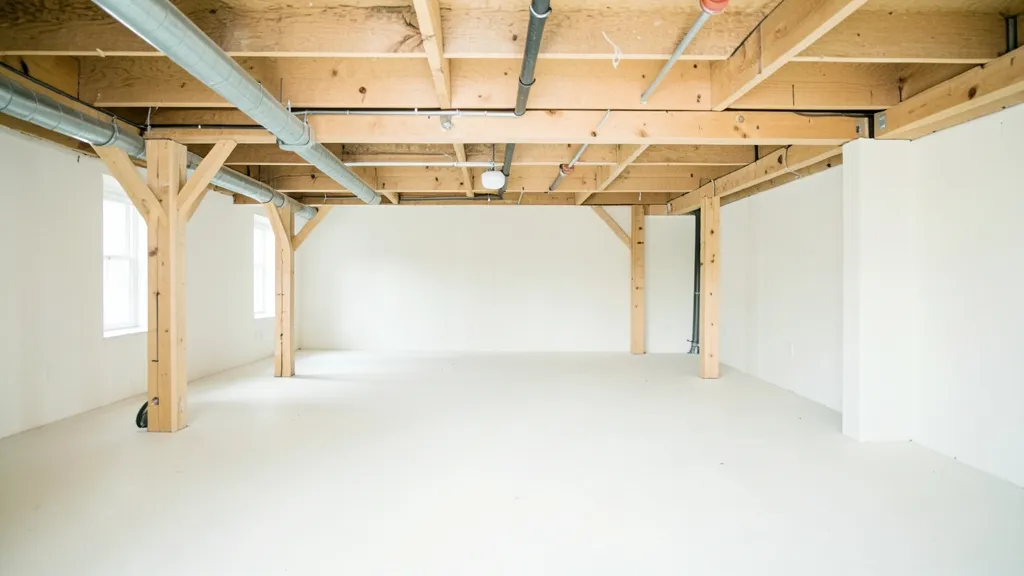
That musty smell in your basement or the dark spots in your attic aren’t just eyesores—they’re active mold colonies releasing spores and mycotoxins. In Riegelsville’s humid climate, DIY fixes often spread the problem or mask it temporarily, leaving your family exposed. We’ve seen well-meaning homeowners turn small issues into full-blown infestations.
How DIY Mold Removal Backfires in Humid Climates
Riegelsville’s river valley humidity feeds mold growth year-round. Without professional-grade dehumidifiers and containment, disturbing colonies sends spores airborne, settling in HVAC ducts or adjacent rooms.
Bleach and household cleaners only kill surface mold on non-porous materials. Porous surfaces like drywall and insulation harbor roots that regrow within days, especially in damp basements or crawl spaces common in our area.
Health Risks You Can’t See or Smell
Mold spores as small as 2-100 microns bypass standard dust masks. Inhalation triggers allergies, asthma, and chronic sinusitis—symptoms we’ve seen spike in local families after failed DIY attempts.
Certain species like Stachybotrys (black mold) produce mycotoxins that cause neurological symptoms. Without professional air quality testing, you won’t know what you’re dealing with.
Disturbing mold without proper containment can increase airborne spore counts by 100x. This is why the EPA recommends professional remediation for areas larger than 10 sq. ft.
The Tools Professionals Use (That You Don’t)
Our team deploys HEPA air scrubbers, negative air pressure systems, and full-body PPE to prevent cross-contamination. These aren’t rentable at your local hardware store in Easton or Durham.
Thermal imaging cameras detect hidden moisture behind walls—critical for addressing root causes. DIYers often miss these pockets, leading to recurring mold in Springtown or Kintnersville homes.
| Task | DIY Approach | Professional Approach |
|---|---|---|
| Spore Containment | Plastic sheeting (often improperly sealed) | Full containment barriers with negative air pressure |
| Air Filtration | Household air purifier | HEPA air scrubbers (500-1500 CFM) |
| Moisture Detection | Visual inspection | Thermal imaging + moisture meters |
| Surface Cleaning | Bleach or vinegar | EPA-registered antimicrobials + HEPA vacuuming |
| PPE | Dust mask or N95 | Full-face respirators with organic vapor cartridges |
Where Mold Hides in Riegelsville Homes
Basements and crawl spaces trap moisture from the Delaware River’s proximity. Without proper encapsulation, these areas become mold incubators that DIY treatments can’t reach.
Attics with poor ventilation—common in older Riegelsville homes—develop condensation that feeds mold on sheathing and insulation. We often find infestations here after homeowners only treated visible ceiling stains.
HVAC systems circulate spores throughout the house. Professional remediation includes duct cleaning and fogging to prevent reinfestation.
The Cost of Cutting Corners
Skipping professional mold inspection often leads to treating symptoms while the source persists. We’ve remediated entire homes in Easton where DIYers only cleaned visible patches, missing the colony behind drywall.
Improper removal can damage structural materials, requiring costly repairs. Porous items like carpet or ceiling tiles often need replacement—something DIYers rarely account for.
Professional remediation addresses root moisture issues, preventing recurrence. This saves more than the upfront cost of repeated DIY attempts and potential health expenses.
When Is DIY Mold Removal *Ever* Acceptable?
The EPA allows DIY for moldy areas under 10 square feet on non-porous surfaces. Even then, proper PPE and ventilation are critical—something most homeowners underestimate.
Small bathroom mildew on tile grout? A scrub with detergent and thorough drying may suffice. But if it returns, that’s a sign of deeper moisture issues requiring professional mold inspection.
DIY Mold Cleanup Checklist (For Small Areas Only)
- Wear N95 respirator, gloves, and eye protection
- Contain area with plastic sheeting and tape
- Use detergent (not bleach) on non-porous surfaces
- Dry area completely within 24-48 hours
- Monitor for recurrence—if it returns, call professionals
Our Process: From Inspection to Prevention
We start with thorough mold testing and air quality assessments to identify species and spore counts. This data guides our remediation plan—something DIY kits can’t provide.
Containment and air filtration run continuously during removal. We use antimicrobial treatments on salvageable materials and HEPA vacuuming to capture spores.
Post-remediation, we address moisture sources—whether it’s a leaky pipe, poor attic ventilation, or crawl space humidity. This prevents the 40% recurrence rate we see after DIY jobs.
How to Respond to Suspected Mold in Your Home
If you spot or smell mold, follow these steps to protect your family and property.
- 1Isolate the Area
Close doors and turn off HVAC to prevent spore spread. Avoid disturbing the mold further.
- 2Assess the Size
If the affected area is larger than 10 sq. ft., or if you suspect HVAC contamination, do not attempt cleanup yourself.
- 3Check for Moisture
Look for water stains, condensation, or dampness. Use a moisture meter if available—readings above 15% in wood or 20% in drywall indicate a problem.
- 4Contact Professionals
For significant growth or recurring issues, request a quote for mold inspection and remediation. We serve Riegelsville, Durham, Springtown, and surrounding areas.
- 5Avoid Common Mistakes
Don’t use bleach on porous surfaces, don’t run fans (they spread spores), and don’t ignore musty odors—they often signal hidden mold.
Frequently Asked Questions
Can I just paint over mold in my Riegelsville basement?
Painting over mold traps spores beneath the surface, where they continue growing. The mold will return, often worse, and may cause the paint to peel. Always address the underlying moisture and remove the mold first.
How quickly can mold grow after water damage?
Mold can begin growing within 24-48 hours of water exposure. In Riegelsville’s humid summers, this timeline accelerates. Immediate water damage restoration is critical to prevent infestations.
Is black mold more dangerous than other types?
Stachybotrys (black mold) produces mycotoxins that can cause severe health effects, but all mold species can trigger allergic reactions or respiratory issues. The color doesn’t determine toxicity—only professional testing can.
Why do I keep getting mold in my attic even after cleaning?
Recurring attic mold usually indicates poor ventilation or roof leaks. Without addressing these, moisture lingers and feeds new growth. We often find this in older homes in Kintnersville and Easton.
Does homeowners insurance cover mold remediation in Riegelsville?
Coverage varies by policy and cause. Most standard policies exclude mold unless it’s a direct result of a covered peril (e.g., a burst pipe). Request a quote from us to understand remediation costs, then check with your insurer.
What’s the difference between mold removal and mold remediation?
Removal refers to eliminating visible mold, while remediation addresses the root cause (moisture) and prevents recurrence. Our team focuses on remediation to ensure long-term solutions, not just temporary fixes.